
Insurance industry players have been urged to strategically position the industry as a critical driver of economic growth, or risk missing out on expansion opportunities in Agriculture, SMEs, Oil& Gas, among other sectors.
The remarks were made by the Chief Guest and Ag. Chief Executive Officer of the Insurance Regulatory Authority of Uganda, Dr. Protazio Sande during the CEO post Budget Breakfast Forum organized by the Insurance Training College in partnership with the Uganda Insurers Association. The forum was held at Four Points by Sheraton Hotel, Kampala on 16th June 2026.
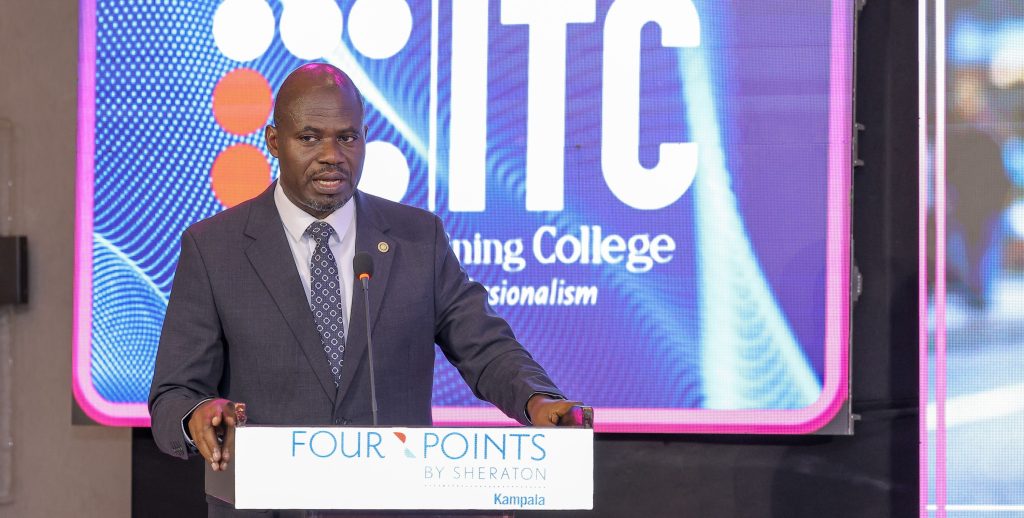
He noted that insurance penetration remains low primarily because many Ugandans are preoccupied with meeting their immediate daily needs, leaving limited capacity to plan for long-term financial security. He stressed that the objective of the national budget should be to enhance livelihoods and empower citizens to move beyond survival towards secure, productive, and economically stable lives.
“The conversation should focus on solutions that improve people’s lives and make insurance more relevant and accessible to ordinary Ugandans,” he said.
Dr. Sande further challenged insurers to identify at least three actionable targets from the discussions and commit to reporting on their progress at next year’s forum as a way of measuring impact and accountability.
The Board Vice Chairperson of the Insurance Training College, Mr. Moses Turyomurugyendo, emphasized the importance of the national budget as a key indicator of economic performance and a roadmap for strategic development, providing direction for investment and growth across critical sectors such as tourism, technology, and infrastructure. These investments, he said, create new opportunities for the insurance industry to provide protection, manage risk, and support sustainable economic growth.”
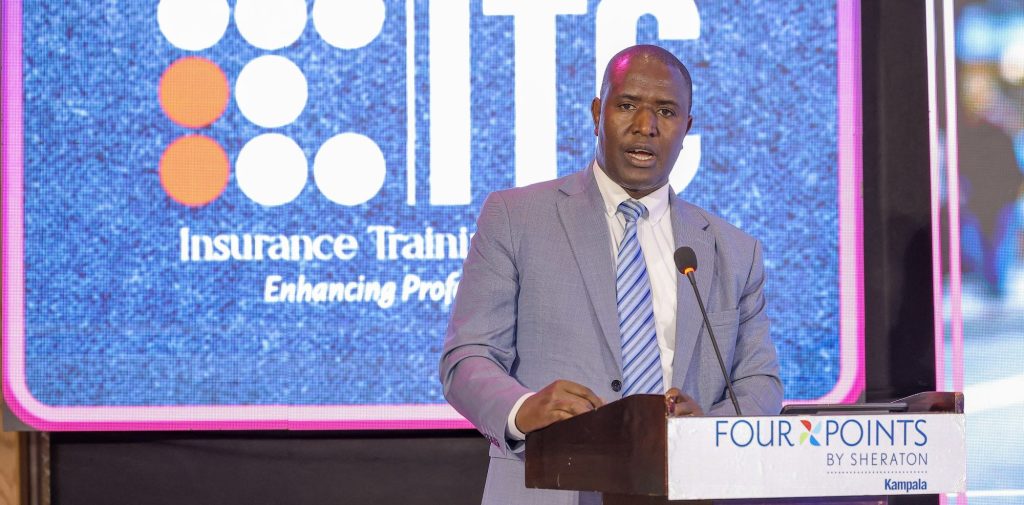
“Insurance must increasingly be recognized as a key enabler of economic development, creating the confidence needed to attract investment, stimulate enterprise, and support business growth,” he said.
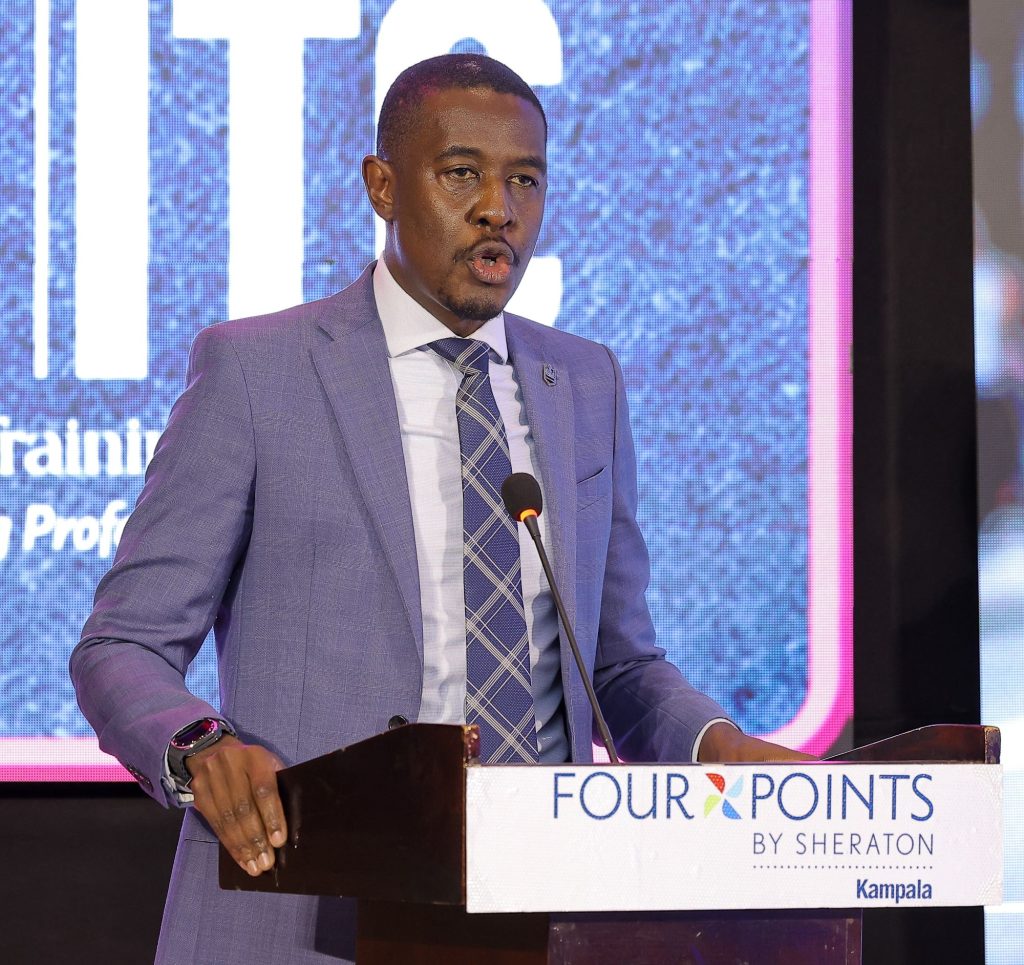
Mr. Jonan Kisakye, the Uganda Insurers’ Association CEO revealed that the insurance sector’s total tax contribution grew by 22% between 2020 and 2024, from UGX 254 billion to UGX 309 billion. He reaffirmed UIA’s commitment to advocating for compulsory insurance for public assets, supporting policies that expand coverage, accelerating digital and micro-insurance solutions, and ensuring that more of the risk and premium generated in Uganda is retained locally.
During a panel discussion, Mr. Humphrey Asiimwe, CEO of the Uganda Chamber of Energy and Minerals, underscored the importance of deeper engagement between the insurance industry and the mining sector. He noted that as industries evolve, their operational risks become increasingly complex, creating opportunities for insurers to develop innovative, sector-specific solutions. He also called on industry leaders to intensify policy advocacy efforts to secure recognition of insurance as a ring-fenced service within the mining sector. Additionally, he emphasized the need for continuous capacity building in specialized sectors such as mining and urged insurers to strengthen partnerships with the private sector to enhance risk protection, support investment, and drive sustainable economic growth.
Mr. Musa Sebuufu, Manager Risk and Actuarial at IRA, noted that government securities remain important to insurers, providing stable returns and supporting long-term liability matching. He observed, however, that high domestic borrowing can limit private-sector access to capital, despite sustainable insurance growth depending on business expansion, job creation, and asset accumulation. He welcomed the planned gradual reduction in domestic borrowing, noting that it could unlock private-sector investment, create more insurable assets, and increase insurance demand. He also encouraged insurers to explore alternative low-risk investment opportunities in preparation for a reduced supply of government bonds, emphasizing that the industry’s long-term success will depend on private-sector growth and prudent investment diversification.
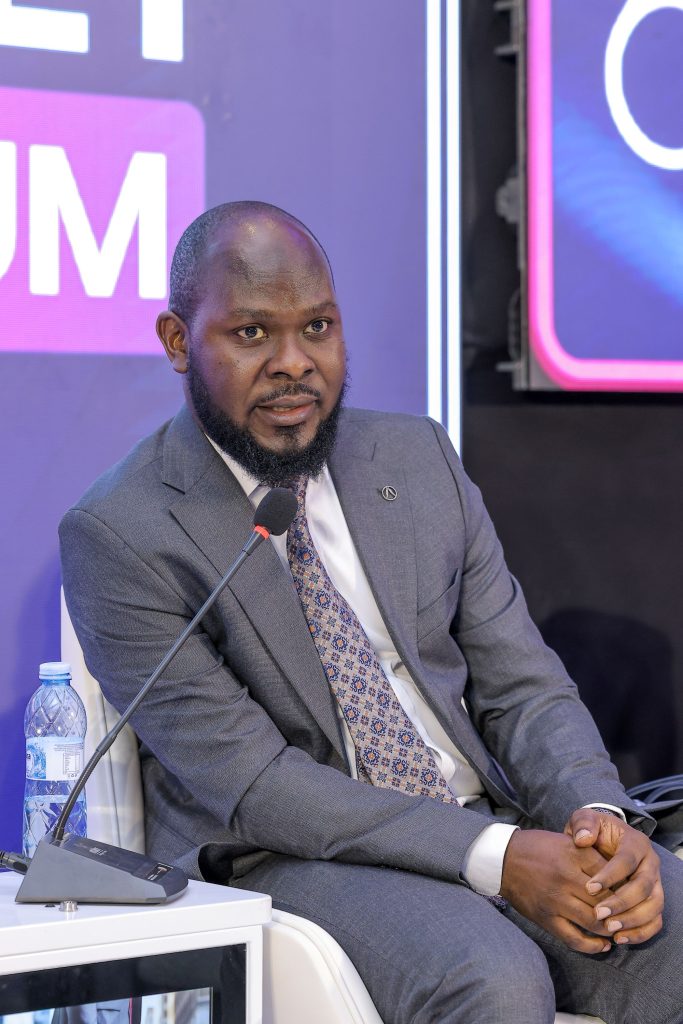
Mr. John Makosya, Chief Operations and Impact Officer at Agro Consortium, underscored the importance of risk transfer mechanisms in supporting agro-industrialization. He observed that farmers continue to face significant challenges, including drought and other climate-related risks, and called for stronger collaboration among insurers, financiers, and other stakeholders to enhance protection for agricultural investments and livelihoods.